
1
/
of
1
My Store
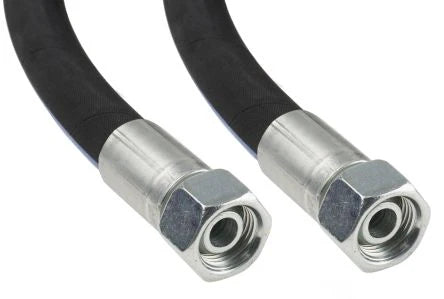
1/2" R1 HYDRAULIC HOSE 3000 MM LONG BOTH END BSP FEMALE STRAIGHT
1/2" R1 HYDRAULIC HOSE 3000 MM LONG BOTH END BSP FEMALE STRAIGHT
Regular price
Rs. 600.00
Regular price
Sale price
Rs. 600.00
Quantity
Couldn't load pickup availability
The 100 R1 hydraulic hose is a widely used standard in hydraulic systems, known for its durability and flexibility. Here's a more detailed look at the specifications and common applications for this type of hose:
Specifications:
- Construction:
- Inner Tube: The inner tube is typically made from a synthetic rubber compound, designed to handle high-pressure fluids.
- Reinforcement: It features one layer of high-tensile steel wire braid, which provides strength and flexibility.
- Cover: The outer cover is usually made from synthetic rubber that resists abrasion, weather, and oil.
- Pressure Ratings:
- The 100 R1 hose is rated for medium pressure applications.
- It typically has a working pressure of around 2320 psi (16 MPa) and a burst pressure of around 5800 psi (40 MPa). These values can vary slightly depending on the manufacturer and specific hose construction.
- Temperature Range:
- The hose can generally handle temperatures ranging from -40°C to +100°C (-40°F to +212°F). Some hoses can tolerate higher temperatures, but always check the manufacturer's specifications.
- Sizes:
- Available in various sizes, typically ranging from 1/4 inch to 2 inches in diameter. The specific size you need will depend on your hydraulic system requirements.
Common Applications:
- Agricultural Equipment: Used in tractors, combines, and other farming machinery.
- Construction Machinery: Applied in excavators, loaders, and bulldozers.
- Industrial Equipment: Found in hydraulic presses, injection molding machines, and other industrial applications.
- Automotive: Utilized in various automotive hydraulic systems, including power steering and brake systems.
Key Advantages:
- Flexibility: Provides good flexibility for routing through tight spaces.
- Durability: Resistant to abrasion, oils, and weather conditions.
- Pressure Resistance: Designed to handle moderate to high-pressure hydraulic systems effectively.
Maintenance and Handling:
- Inspection: Regularly inspect for signs of wear, such as abrasions, kinks, or leaks.
- Replacement: Replace hoses that show signs of damage or that have reached the end of their service life.
- Installation: Ensure proper installation practices to avoid kinking or over-tightening of fittings.
Share
